Most people asking when to visit Sri Lanka are really asking one thing: when will it not rain on me? The answer is more useful than a single month, because the island runs on two separate monsoons.
Two monsoons, two seasons
The Yala monsoon brings rain to the west and south coasts and the hill country from roughly May to September. The Maha monsoon brings rain to the north and east from roughly October to January.
They do not overlap. At any point in the year, one half of the island is in its dry season. That is the single most useful fact for planning a trip here, and it is the one most itineraries ignore.
December to March: go south and west
This is the classic high season. Colombo, Bentota, Galle, Mirissa and Tangalle are dry and sunny, the sea is calm, and blue whale season off Mirissa is in full swing. The hill country is clear and cool.
It is also when prices peak and the popular beaches fill, particularly between Christmas and mid-January. If you want Mirissa without the crowds, come in early December or late March.
April to September: go north and east
While the south gets wet, Trincomalee, Nilaveli, Pasikuda, Arugam Bay and Jaffna are at their best.
- Arugam Bay surf season runs May to September
- Pigeon Island snorkelling is at its clearest
- Yala peaks for wildlife in this window, because water is scarce and animals concentrate around the remaining waterholes
The shoulder months are underrated
April and September are transition months and genuinely good value. You accept a slightly higher chance of an afternoon shower in exchange for lower prices and far fewer people.
April brings the Sinhala and Tamil New Year, one of the biggest celebrations of the year. Worth seeing, though much of the country closes for several days around it.
The cultural triangle works year-round
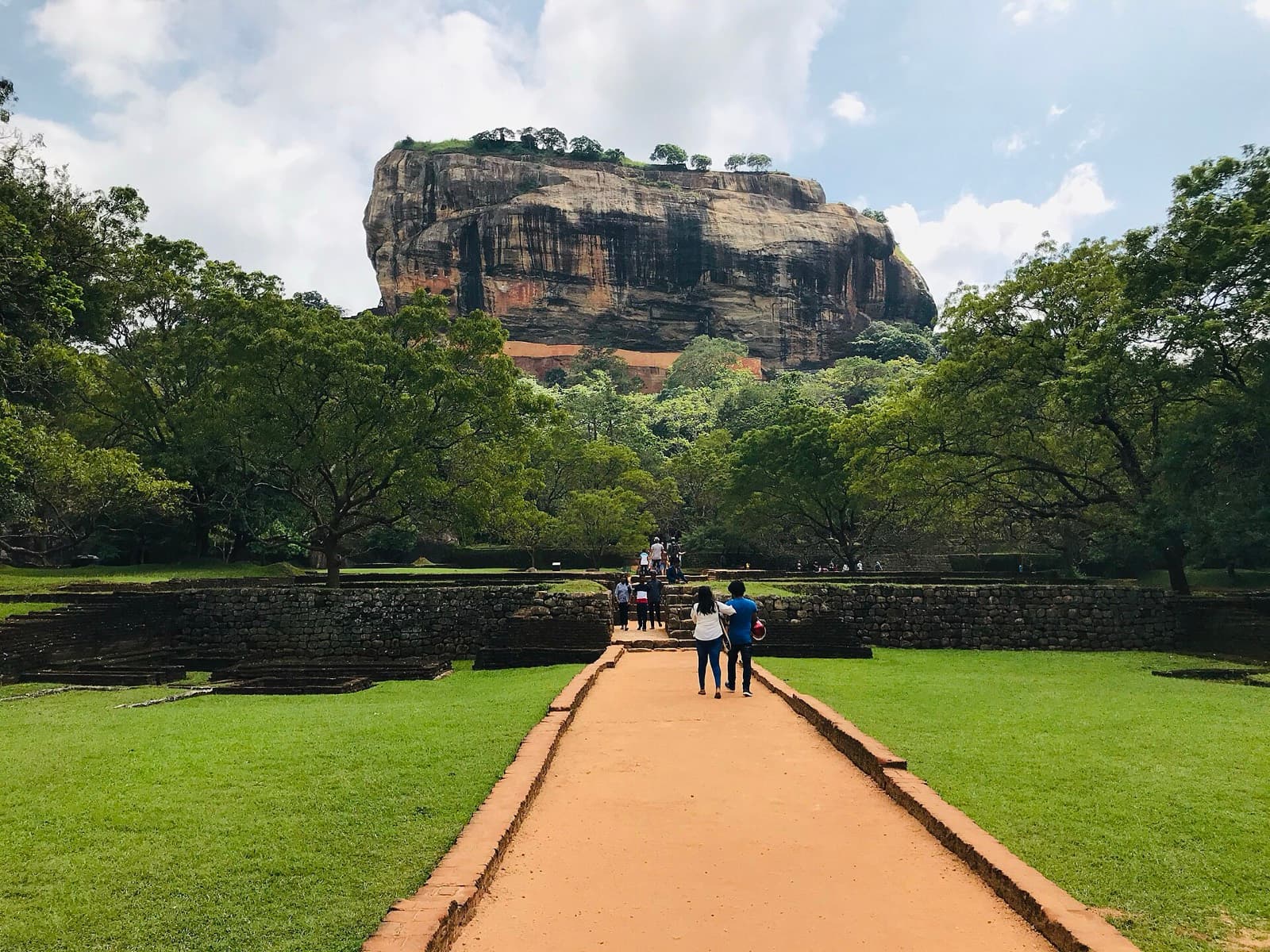
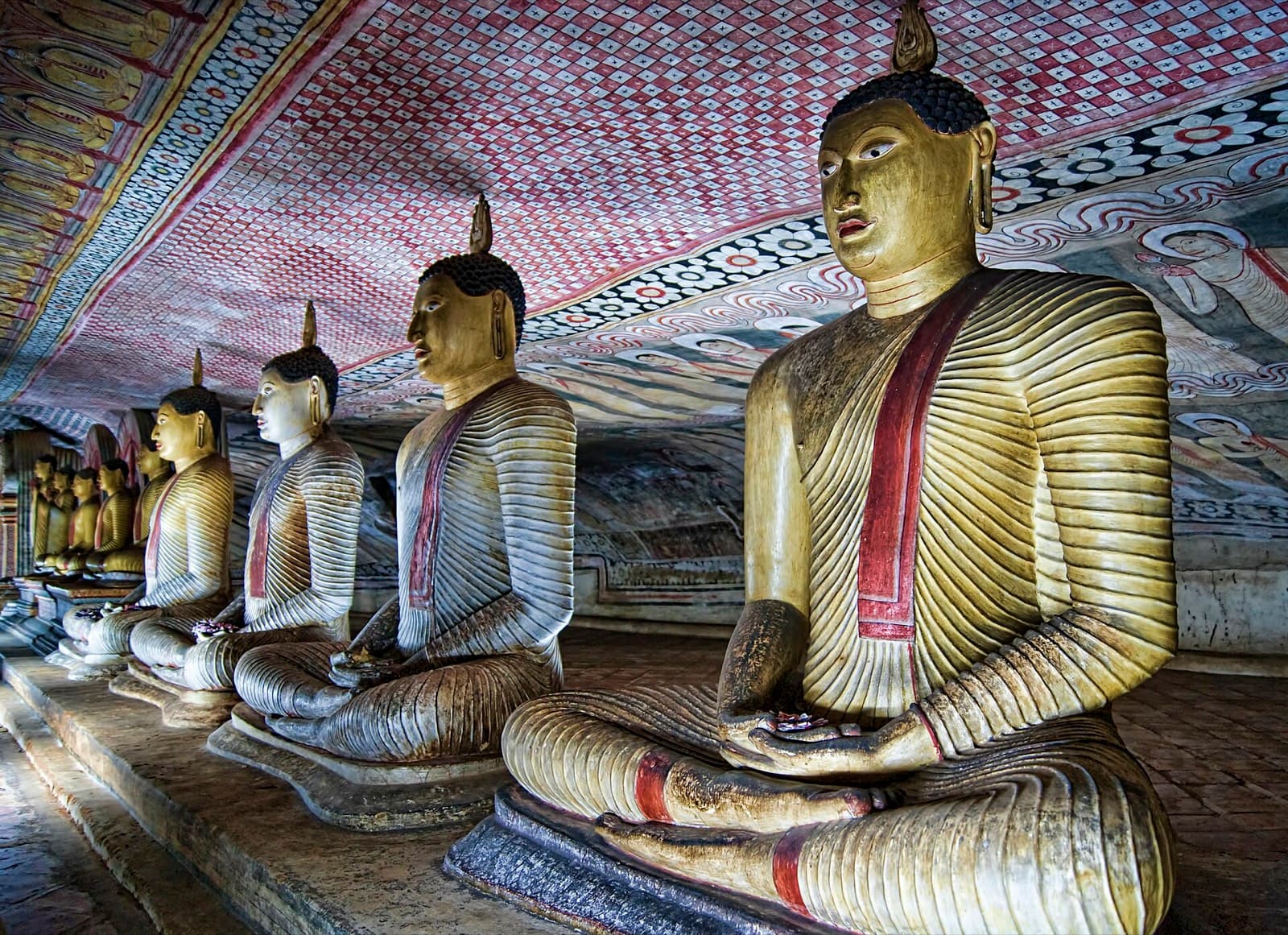
Anuradhapura, Polonnaruwa, Sigiriya and Dambulla sit in the dry zone and are visitable in any month. It gets hot rather than wet. Climb Sigiriya before eight in the morning regardless of the season.
Festivals worth planning around
- Esala Perahera, Kandy (July or August) — ten nights of processions with elephants, dancers and fire. Accommodation books out months ahead.
- Vesak (May full moon) — the whole country is lit with paper lanterns, and roadside stalls give away free food.
- Thai Pongal (January) and Deepavali (October or November) in the Tamil north and east.
One thing to know: every full moon is a Poya day, a public holiday. Shops stay open but alcohol is not sold, and many bars close. Plan around it if that matters to you.
The short version
- Beaches between November and April? Go south.
- Beaches between May and September? Go east.
- Cultural triangle and hill country? Any month works.
If you have fixed dates and are not sure which route suits them, tell us when you are coming and we will build the itinerary around the weather rather than against it.